
Understanding the state’s property disclosure rules is very important for people who want to sell a home in Colorado. Colorado’s real estate laws say that sellers must tell buyers about any known negative, important facts about the property’s situation. As part of these rules, people who want to sell their homes must give possible buyers a full property disclosure statement.
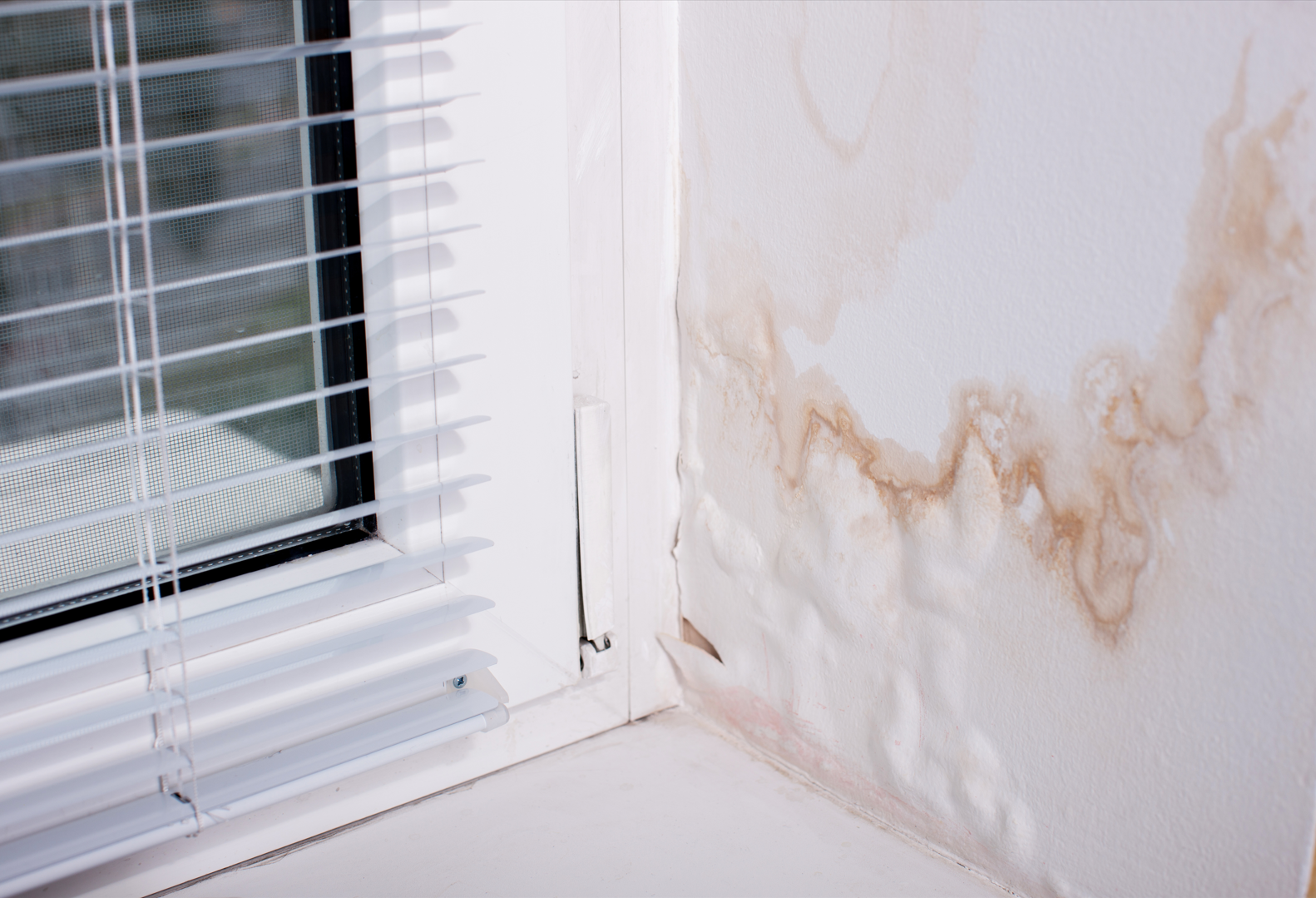
Also, sellers should know that Colorado law makes sure there is openness in the real estate deal process by requiring full disclosure of any known problems. If there are any bad conditions, sellers should tell the buyer about them. If they don’t, they could face legal problems or the sale could be canceled.
Not only is it the rule for sellers to know what information they need to give, but it’s also the right thing to do in real estate transactions. It’s important for home buyers who are having problems with mold to know that these are examples of bad material facts. Not only is it required by Colorado law to talk about mold and its effects, but it’s also a very important thing to think about when selling a house.
We buy houses with mold from all across Colorado including Denver, Colorado Springs, Aurora, Fort Collins, Lakewood, Thornton, and Boulder. Sell your house to us for fast and easy cash.
People who want to sell their home in Colorado often ask, “Do you need to disclose mold in a house transaction?” The short answer is yes, you have to tell people about mold problems when you sell a house in Colorado. Mold can be very scary for people who want to buy a house because it can be bad for their health and the house itself. For a fair transaction and to follow Colorado’s property disclosure rules, it’s important for sellers to be honest about mold problems.
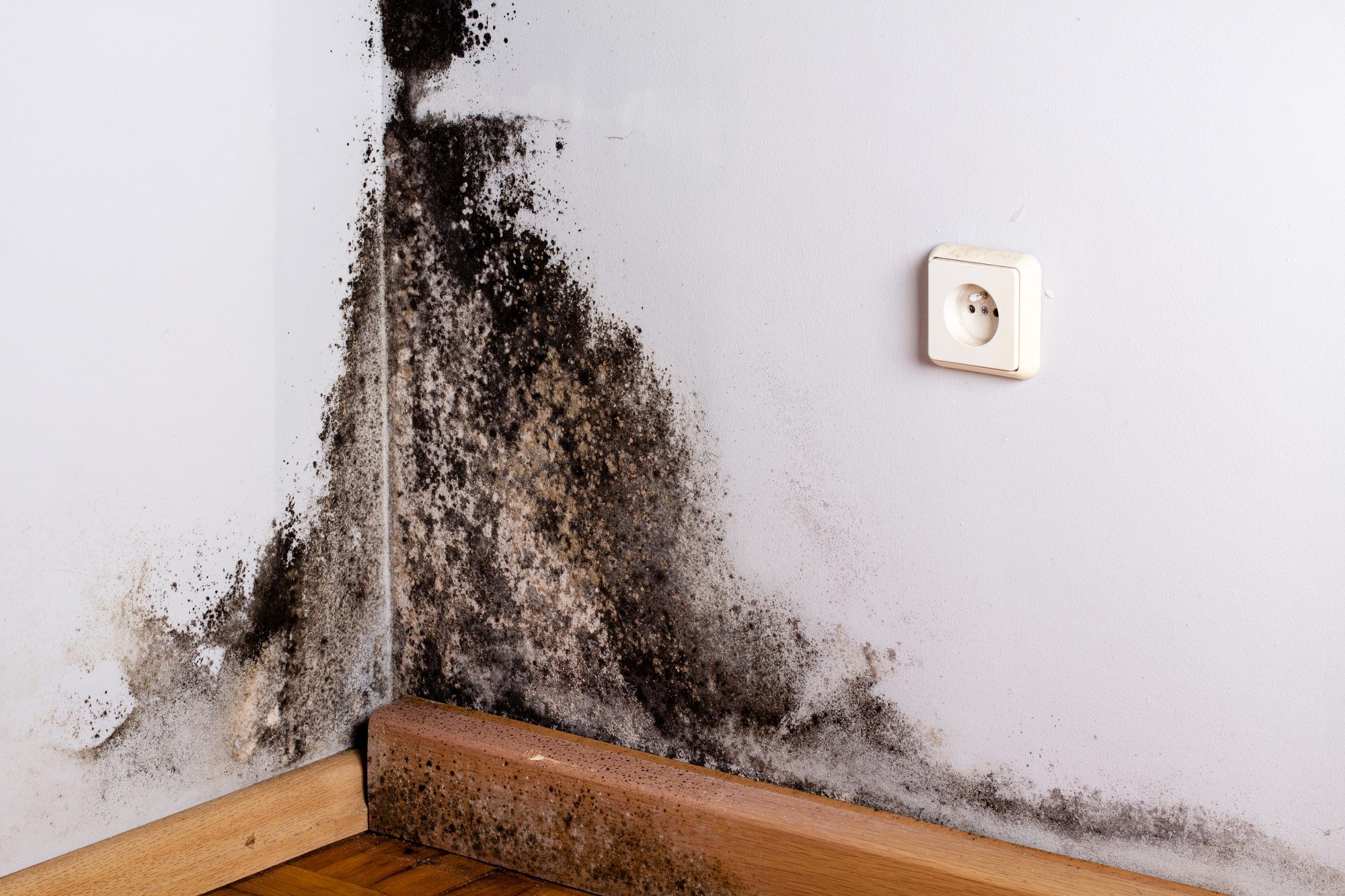
Being honest is very important, and sellers should know that buyers have the right to know about mold problems before making a final choice. Not only is it the law, but it’s also the right thing to do to give buyers a full picture of the home’s state.
Not telling the buyer about the mold could cause them to lose trust, which could affect not only this sale but also your ability to take part in future deals. Homebuyers are often wary of mold that hasn’t been reported because it can be a sign of other problems that aren’t being told about.
In Colorado, mold reports are an important part of buying or selling a home. Because of the rules, people who want to sell their homes must make sure they get thorough reviews before putting them on the market. If mold is found, it needs to be cleaned up and the results must be shared with anyone who might be interested.
If you want to sell your home in Colorado, it’s important for both you and the possible buyer to know about any negative facts that are material. In Colorado’s real estate market, home sellers are legally expected to tell buyers about any important facts that could affect the sale of the home. Sellers must make sure that any problems that could affect the health and safety of the people who move in are made known.
If you don’t do these things, you could face civil consequences. Bad material facts are important pieces of information that could affect the buyer’s choice or the value of the property. It is important to carefully check properties for these kinds of facts and problems, as well as hidden problems that aren’t clear at first glance. This group includes mold, which is often not noticed until it becomes a big problem that could hurt your health or lower the value of your home. So, people selling homes in Colorado need to be completely honest about any bad situations that affect the property.

To follow the law when buying or selling a house, you must tell any potential buyer these important facts so you don’t misrepresent them. If sellers try to hide bad conditions, it breaks trust and could lead to lawsuits or the end of a sale deal.
Full exposure of these problems promotes a fair transaction, making sure that buyers are making well-informed choices about the home’s value, taking into account any possible costs for fixing mold or other hidden problems. By making the real estate process more clear, the law benefits both the buyer and the seller.
It is the law in Colorado that disclosures must be made during real estate deals so that both buyers and sellers know exactly what the property is like. You might wonder when Colorado law says disclosures have to happen. In Colorado, property disclosure is an important part of selling a house. As the seller, you need to tell the buyer about any known negative material facts about your house, like mold. Colorado’s disclosure rules are meant to protect both sides of a real estate deal by encouraging honesty and openness.
In Colorado, if you want to sell your home, you have to fill out a form that includes a lot of information about its state. The rules say you have to tell potential buyers about any problems, like mold growth, that might lower the property’s value or make it unsafe to live in.
 Knowing what the law in Colorado requires of you means knowing what information you have to share and when you have to do it. Mold is a common problem in many homes, so these are the things that must be said. If you want to sell your home and know that it has mold, you have to tell the buyer about it. Being honest about mold problems is not only the law, but also a key part of doing business in real estate in an honest way.
Real estate deals are complicated, and full information helps buyers and sellers avoid disagreements, which makes the process go more smoothly. Learn about the law’s disclosure standards before you go through the sales process in Colorado. This will help you follow the rules and protect your interests. Disclosure is so important because Colorado’s real estate laws are set up to make sure that everyone concerned has access to important property facts.
When you are trying to sell your home in Colorado, you need to know about the mold disclosure rules. Do you have to tell people about mold if you’re selling your home? As a home seller, you have to tell the buyer about any known bad facts that are important to the state of the property. Mold is a fact that matters, so you need to let potential sellers know if your home has had mold problems in the past or if they are happening now.

Not only is it the right thing to do to tell people about mold problems, it can also be the law in some situations. You have to tell the buyer if there is mold on your home or if you’ve had work done to get rid of mold. Being honest about mold helps build trust during the home-selling process and makes sure that everything is clear. Remember that potential buyers can do their own checks, and if mold problems are found after the sale, you could be sued as the seller for not telling the buyer about them.
Because of this, it is very important for people selling their homes to know what they need to do to disclose mold. It is the rule that all bad facts about a property, like mold, must be disclosed during a sale. This means that as the seller, it is your job to let the buyer know about any mold issues your home has had. Being open about mold can make the sale go more smoothly and reduce the chance of a disagreement afterward.
Understanding Colorado’s rules on property transactions is very important if you want to sell a home there. Colorado’s property laws are meant to make sure that all real estate deals go easily. They give both sellers and potential buyers the legal framework they need. One of the most important parts of Colorado’s real estate laws is that important facts must be disclosed. For example, mold problems must be disclosed if they could affect the buyer’s choice or the property’s value. If a seller wants to avoid legal problems during a deal, they must tell the buyer all of the important negative facts about the property.

Disclosure rules are a very important part of keeping property deals open and honest, especially when there are problems like mold. Colorado law says that known negative material facts, like mold, must be shared in a real estate deal so that potential buyers can make smart choices. It is very important for buyers in Colorado to know what they need to say about a property because it might have mold problems. Not following these disclosure rules can cause problems or even the cancellation of a sale. This shows how important it is to be honest and full about the property’s condition.
It is not only the law, but also good sense for Colorado home sellers to know how bad material facts like mold can affect the sale of their home. When sellers get their homes ready to sell, they need to be aware of these rules to make sure the deal goes smoothly. Colorado’s real estate rules are meant to protect everyone and make sure that the market works fairly. Making sure that disclosure standards are met is good for both buyers and sellers. Buyers take on more risk when they buy something, and sellers protect themselves legally. Colorado is committed to fair property deals, and this thorough disclosure method shows that.
People in Colorado who are selling their homes might wonder if they have to tell potential buyers about mold problems when they do so. To stay in line with real estate law, home buyers need to know what they need to do to disclose certain information about their properties. If you’re thinking about selling your home, you should know what the current disclosure rules say you need to do. Mold is an unfavorable material fact that sellers must tell potential buyers about. This means that you have to say if you’ve had problems with mold in your home, because not doing so could get you in trouble with the law.
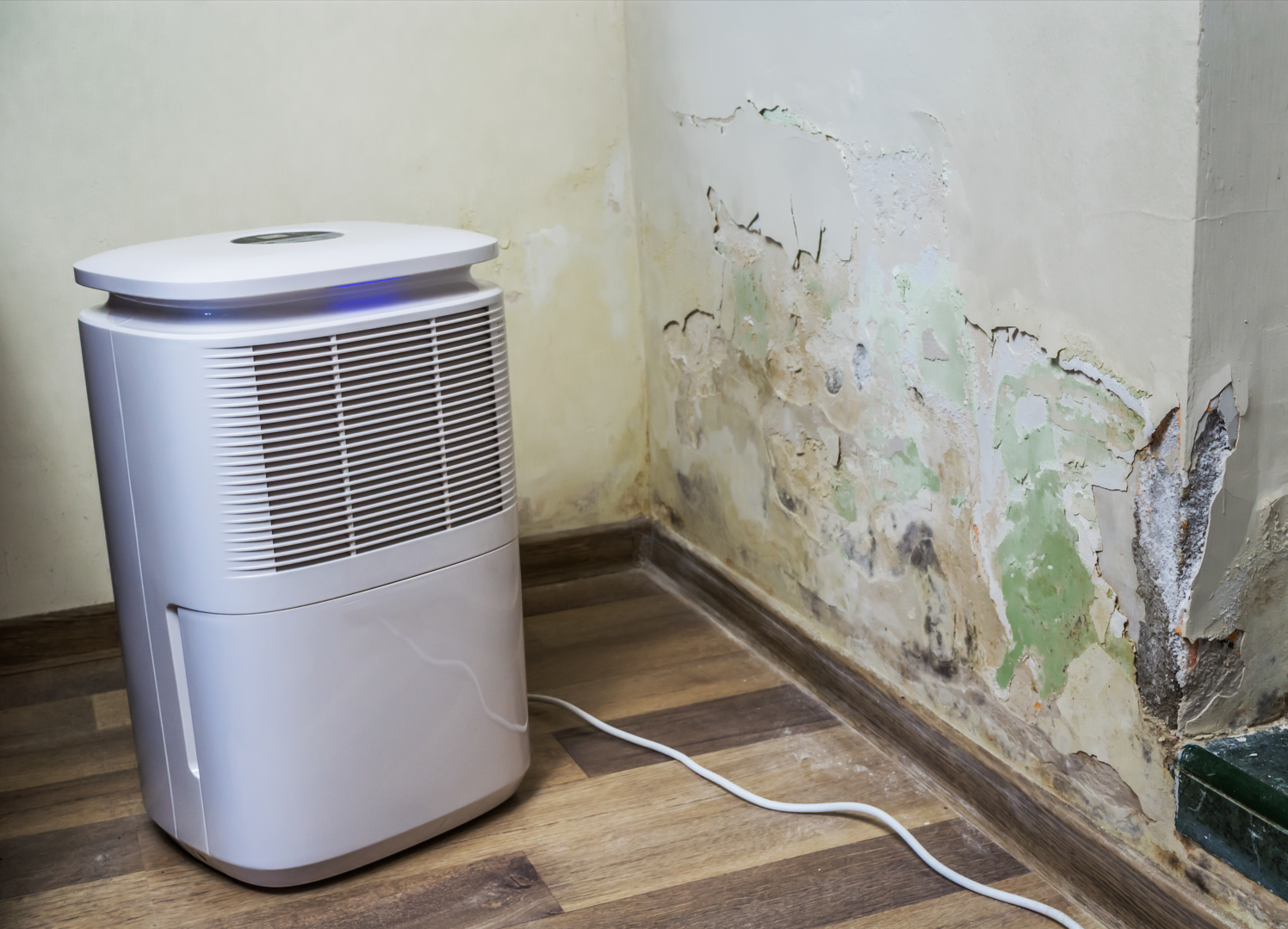
Colorado’s real estate law stresses that all property deals must be completely open and honest. People who want to buy should know what they’re getting into, and as the seller, you are legally expected to tell them about any mold issues you know about. If you don’t follow these property disclosure rules, you could face serious problems that could affect your real estate deal. To make the selling process fair and legal, sellers must tell buyers about any negative facts that are important to them. This includes problems like mold. Not only does this protect the possible buyer, but it also protects you from future claims that you hid important property information.
If you want to sell your house faster, you might be tempted to ignore small mold problems, but that’s not a good idea. If sellers know about mold problems, they have to tell buyers about them. If they don’t, it could be seen as dishonesty on their part. Anyone in Colorado who wants to sell their home needs to know the facts about mold and the effects of not telling the buyer about it. When sellers know what they need to do to disclose information about their property, they can easily give potential buyers the right information.
When selling a home in Colorado, it’s important to know the most important parts of property reports, especially when it comes to mold. Mold is a big problem because it can be bad for your health and lower the value of your home. It is important for sellers to know that Colorado law requires them to tell buyers about any known material defects linked to mold. Mold notification is important because it lets potential buyers know about any bad information that might affect their decision to buy. Disclosures about properties are very important in Colorado’s real estate market because it values openness.

Because of these transparency rules, sellers must tell buyers about any problems that might not be obvious at first glance. This duty makes it clear that mold needs to be reported because it’s a serious problem that affects health and worth. The legal consequences that could happen if a seller doesn’t tell you about mold problems make these rules even more important to understand. Ignoring these duties could get you into big legal problems after you sell your house. Not only do you have to follow the law, but you also have to make sure that everyone knows how the property is. By telling buyers right away about mold problems, sellers can escape legal and financial problems in the future and boost their credibility in the real estate market.
Also, sellers should know that if they don’t tell such bad, important facts, the buyer could back out of the deal and sue the seller for damages for failure to meet disclosure requirements. So, anyone selling property in Colorado would do well to know the rules inside and out. In addition to following the law, knowing and following property reports shows that you are committed to honest real estate deals. Obviously, health is the most important thing, and mold can pose serious health risks. Because of this, it is very important to find and talk about these problems. If you want to meet the state’s disclosure standards when you sell your home, you need to take care of any mold issues right away. By requiring sellers and buyers to disclose information about properties and mold, Colorado makes sure that all sales are fair and clear, protecting both parties from unintended effects.
If you’re trying to sell a house in Colorado, you need to know how to tell the buyer about any bad or important problems, like mold. Home sellers must carefully follow disclosure requirements to make sure that potential buyers know everything they need to know about the state of the property. Mold problems are bad and could be harmful to health, so they are considered material facts that need to be shared. People who are selling their home and have had problems with mold should know that they are required by law to make this information public.
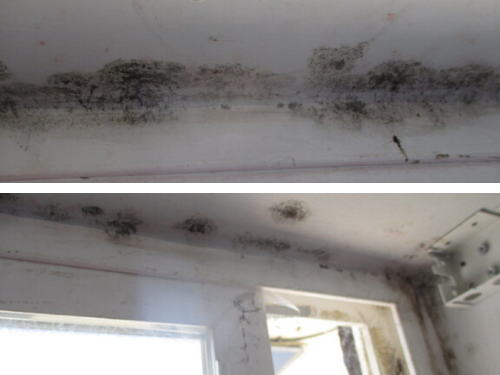
The first step in the disclosure process is to find out if there are any bad, relevant facts about mold in the house. In the formal disclosure documents that are needed during the sale, sellers need to be open and honest about these things. Not telling the buyers about these bad things could get the sellers in trouble with the law, which could make the real estate deal even more difficult.
It’s not only the law that bad things like mold and harmful materials must be disclosed; it’s also the right thing to do to make sure that the potential buyer’s family doesn’t face any health risks when they move in. Mold can be very bad for your health, so buyers need to be clear about mold and any past problems that may have been connected to it. Also, sellers can protect themselves from future liability by learning the specific disclosure rules for mold problems when they are selling a house.